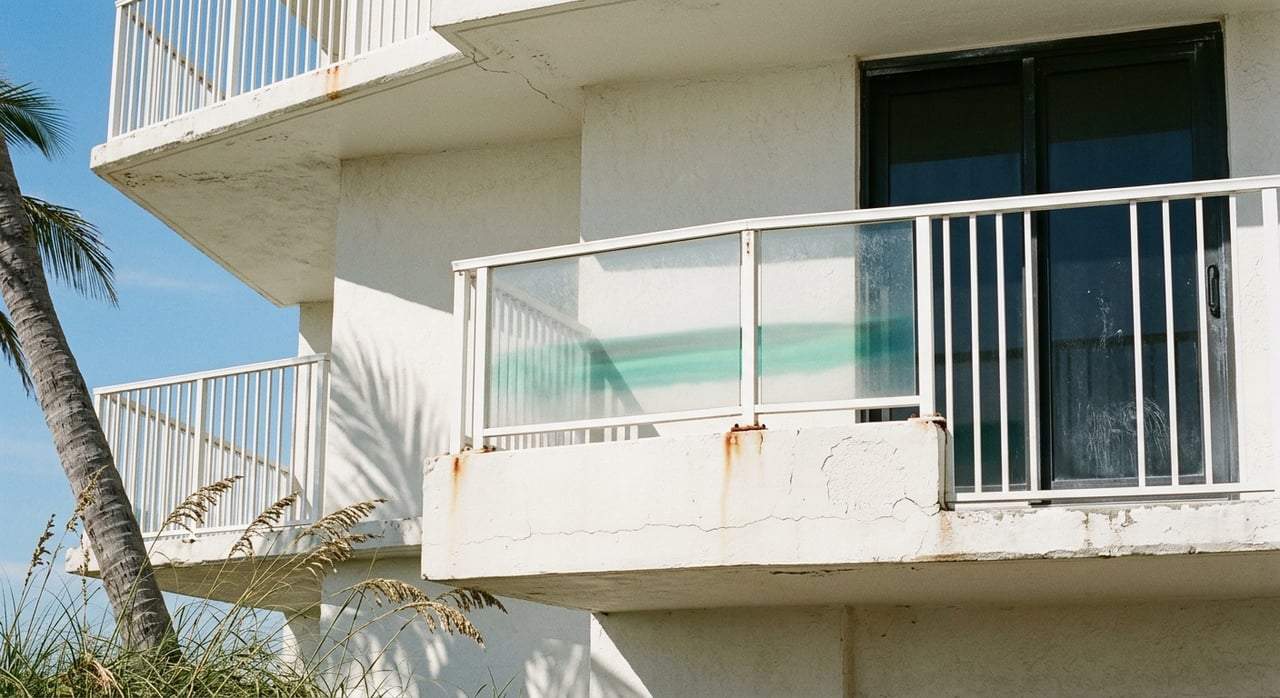
Phoenix Towers Singer Island Condos: What Buyers Should Review
If you are thinking about buying in Phoenix Towers or another older Singer Island condo, the sticker price is only part of the story. An oceanfront unit can look like a great value at first glance, especially when compared with newer luxury buildings nearby, but your real cost of ownership may depend just as much on reserves, inspections, insurance, and upcoming building work. If you know what to review before you make an offer, you can buy with far more confidence. Let’s dive in.
Phoenix Towers is a useful example because it checks many of the boxes buyers see across older Singer Island high-rises. According to the Phoenix Towers Condominium Association, it is a 176-unit oceanfront condominium at 2800 N Ocean Dr in Riviera Beach on Singer Island, with Atlantic Ocean frontage and Intracoastal Waterway views.
A Palm Beach County property record example cited in the research places a representative Phoenix Towers two-bedroom, two-bath unit at 1,219 square feet and shows a 1973 build date. That puts the building firmly in the older oceanfront tower category, which matters because age affects more than style or finishes.
For you as a buyer, that means the smartest questions are not just about remodeled kitchens or updated flooring. You also want to understand the building’s structural condition, reserve funding, insurance setup, and whether major work is complete, planned, or still uncertain.
One reason buyers look at buildings like Phoenix Towers is value. A Realtor.com market snapshot for Phoenix Towers Condominiums reported a median home price of $587,500, a median price of $481 per square foot, and active listings roughly in the $549,000 to $674,000 range for two-bedroom, two-bath, 1,219-square-foot units.
That same market snapshot showed the broader Singer Island median at $970,000, with nearby Tiara Condominiums at a median home price of $1.06 million. In simple terms, Phoenix Towers can look like a lower-entry path to direct beach access on Singer Island.
That value can be real, but only if the building’s financial and maintenance profile makes sense. A lower purchase price can lose its appeal quickly if you are stepping into underfunded reserves, a major assessment, or high insurance costs.
In a 1970s oceanfront tower, normal wear is only part of the equation. Florida now has stricter requirements around milestone inspections and reserve planning for many condominium buildings, and those rules are especially relevant to older high-rises.
According to the Florida Department of Business and Professional Regulation inspection guidance, milestone inspections apply to residential condominiums and cooperatives that are three or more habitable stories high. The initial inspection is required at 30 years of age, or 25 years if required earlier by the local enforcement agency, based on the certificate of occupancy date.
DBPR also states that buildings that reached 30 years before July 1, 2022 were required to have the inspection completed by December 31, 2024. For a building dating to 1973, that places it well within the first group of properties affected by the rule.
So when you tour an older Singer Island condo, the key issue is not whether the lobby feels dated or the unit needs new paint. The bigger issue is whether the building has completed the required reviews and whether any recommended repairs are already addressed, budgeted, or likely to become your problem after closing.
A milestone inspection is designed to identify structural deterioration, unsafe conditions, and recommended repairs. For buyers, that report can help you understand whether the building is being maintained proactively or whether expensive work may still be ahead.
If you are considering Phoenix Towers or a similar older condominium, ask for the latest milestone inspection early in the process. You do not want to wait until the last days of your contract period to learn that a phase 2 review was required or that major repairs are being discussed.
The goal is not to avoid every older building. It is to understand the condition of the building with clear eyes and price your offer accordingly.
Another major topic for condo buyers is the Structural Integrity Reserve Study, often called a SIRS. Under DBPR guidance on reserve studies and inspections, a SIRS is required for buildings that are three or more habitable stories high and must be completed at least every 10 years after the condominium’s creation.
The study covers eight core elements:
DBPR states that the SIRS must include a reserve funding schedule that keeps the reserve balance above zero under the baseline plan. It also notes that for budgets adopted on or after January 1, 2025, associations may not waive SIRS reserves and must fund them according to the study.
That is important for your budget because if the study shows underfunding, the association may need a special assessment, loan, or line of credit to meet the required reserve schedule. In other words, monthly fees alone do not tell you enough.
The good news is that these are not unusual or optional requests. For a building like Phoenix Towers, document review is part of a normal purchase process. The association’s real estate information page shows online estoppel and questionnaire requests, along with online sale and lease applications.
DBPR also states in its condominium records FAQ that structural inspection reports and reserve studies are part of the association’s official records and must be provided to potential purchasers. Official records must also be available on the association’s website or app within 30 days after the record is created or received.
Before you move forward, request and review:
These documents help you move beyond guesswork. They also make it easier to compare one Singer Island building against another on a true cost basis.
Many buyers focus on the monthly association fee first. That number matters, but it is only one piece of the ownership picture.
In older coastal buildings, you also need to know whether reserves are healthy, whether deferred work exists, and whether the building has already priced future needs into the budget. A lower monthly fee can sometimes be less reassuring than a higher one if the lower number is supported by weak reserves or delayed maintenance.
A better question is this: what does this fee cover, and is the building financially prepared for the next phase of ownership? That is where inspection reports, reserve studies, and the adopted budget become so valuable.
Insurance is another area where older Singer Island condos deserve extra attention. According to the Florida Chief Financial Officer’s homeowners insurance overview, condominium unit owners usually need an HO-6 policy, which primarily protects personal property and liability while also providing loss assessment coverage.
Florida law requires at least $2,000 of loss assessment coverage with a deductible no greater than $250. The same state guidance explains that associations and unit owners have separate insurance responsibilities, so you need to understand both the building’s master policy and your own policy needs.
For older oceanfront towers, underwriting can be especially important. The Florida CFO says insurers may evaluate factors such as the age of the property, roof, plumbing, electrical wiring, heating and air conditioning, overall condition, and location. If an insurer requests a 4-point or specialized inspection and it is not provided, the insurer may refuse certain coverage or decline to insure the property.
That can affect both cost and convenience. In practice, a 1973 oceanfront building may come with higher premiums, stricter underwriting questions, or less flexibility at renewal than a newer property.
Before you buy, make sure you understand:
This is one area where local guidance matters. A condo that looks affordable on paper may feel very different once you factor in HO-6 coverage, deductibles, and possible association levies after a storm or reserve shortfall.
Older Singer Island condos can be excellent options for buyers who want beachfront living without newer-luxury pricing. But a true value buy is not just a lower number on the listing sheet.
The opportunity looks stronger when the building has current inspections, a clear reserve plan, realistic budgeting, and a manageable insurance profile. It also helps when upcoming work is already completed, clearly budgeted, or transparently reflected in the asking price.
On the other hand, the apparent discount may not be a bargain if major repairs are unresolved or reserves are weak. That is why building-level analysis matters so much on Singer Island.
If Phoenix Towers is on your shortlist, treat it as both a lifestyle purchase and a building review exercise. The oceanfront setting and relative price point may be appealing, but your offer should reflect what the association documents actually show.
That means reviewing the milestone inspection, studying the SIRS, checking the budget and reserve schedule, and understanding the insurance setup before you commit. It also means paying attention to association processes that could affect closing or future leasing plans.
When you buy in an older Singer Island condo with the right preparation, you can often spot the difference between a unit that is simply priced lower and one that offers genuine long-term value.
If you want help comparing Phoenix Towers with other Singer Island condo options, reviewing building-level details, or planning a smart offer strategy, connect with Kathy Lewellen. Her local, building-by-building knowledge can help you weigh value, risk, and fit with more confidence.
Get assistance in determining current property value, crafting a competitive offer, writing and negotiating a contract, and much more. Contact her today.