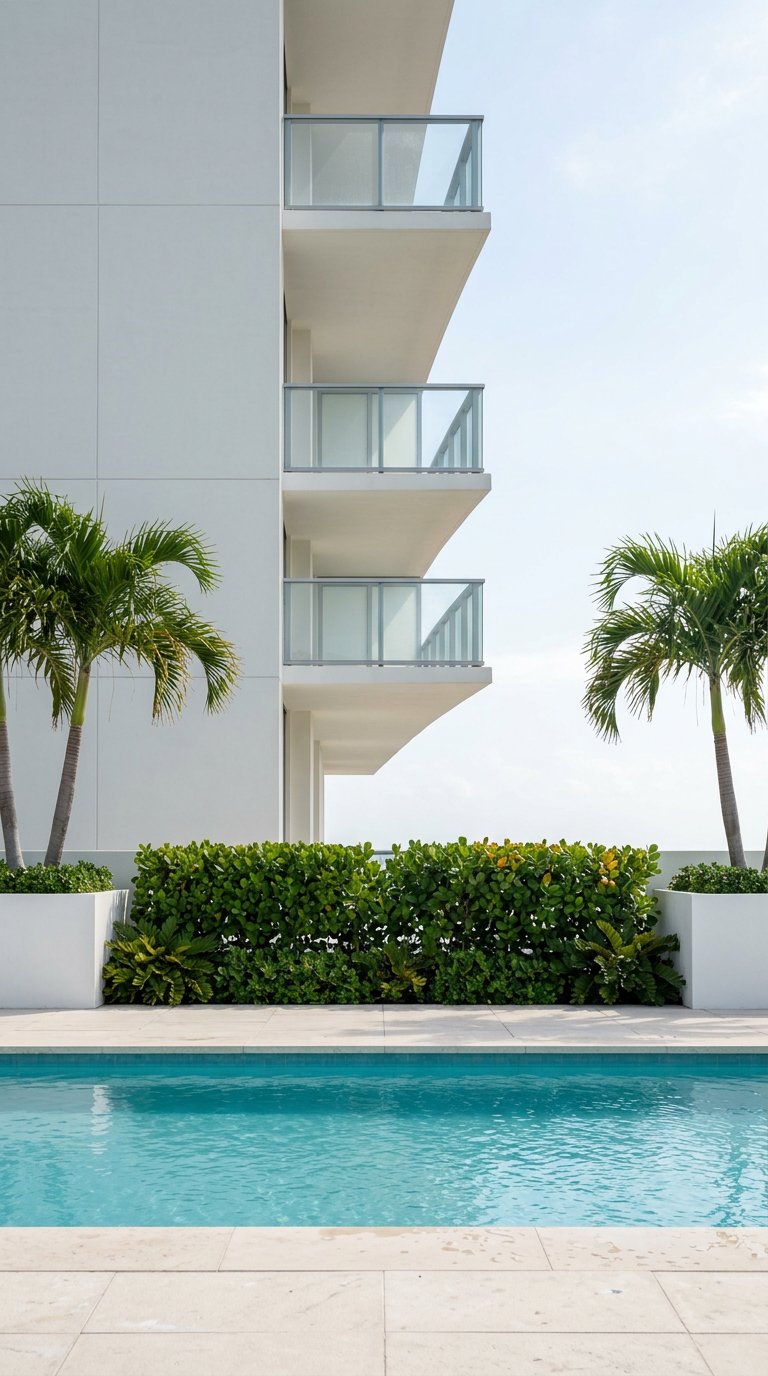
When To List Your Ocean’s Edge Singer Island Condo
Thinking about selling your Ocean’s Edge condo but not sure when to hit the market? Timing matters on Singer Island, especially in a boutique tower with only about 40 residences. You want the best pool of buyers, the strongest offers, and a smooth path to closing. In this guide, you’ll learn the most effective listing windows, how recent sales shape expectations, and a practical plan to prep and market your residence for top results. Let’s dive in.
Oceanfront condos on Singer Island follow clear seasonal patterns. More high‑net‑worth buyers visit in the cooler months, and many prefer move‑in ready units with strong views. That means the calendar can directly influence your showings, offer quality, and time on market.
November through April is the primary window, with peak activity in January through March. This period brings more out‑of‑state and international buyers in person, often with cash and a lifestyle focus. If you want maximum foot traffic and premium positioning, plan to be live before the new year. Avoid the mid‑December to early January holiday lull when travel schedules slow showings.
March through May stays active as seasonal visitors extend trips and relocating buyers enter the market. Listing in late winter or early spring can capture both groups. If your residence shows beautifully and is priced with discipline, you can still achieve strong outcomes in this period.
June through early November typically sees thinner buyer turnout and longer days on market. You may field more value‑driven or investor interest during these months. If you list then, plan for insurance and inspection timelines that can be affected by storms, and price with a straightforward, data‑backed strategy.
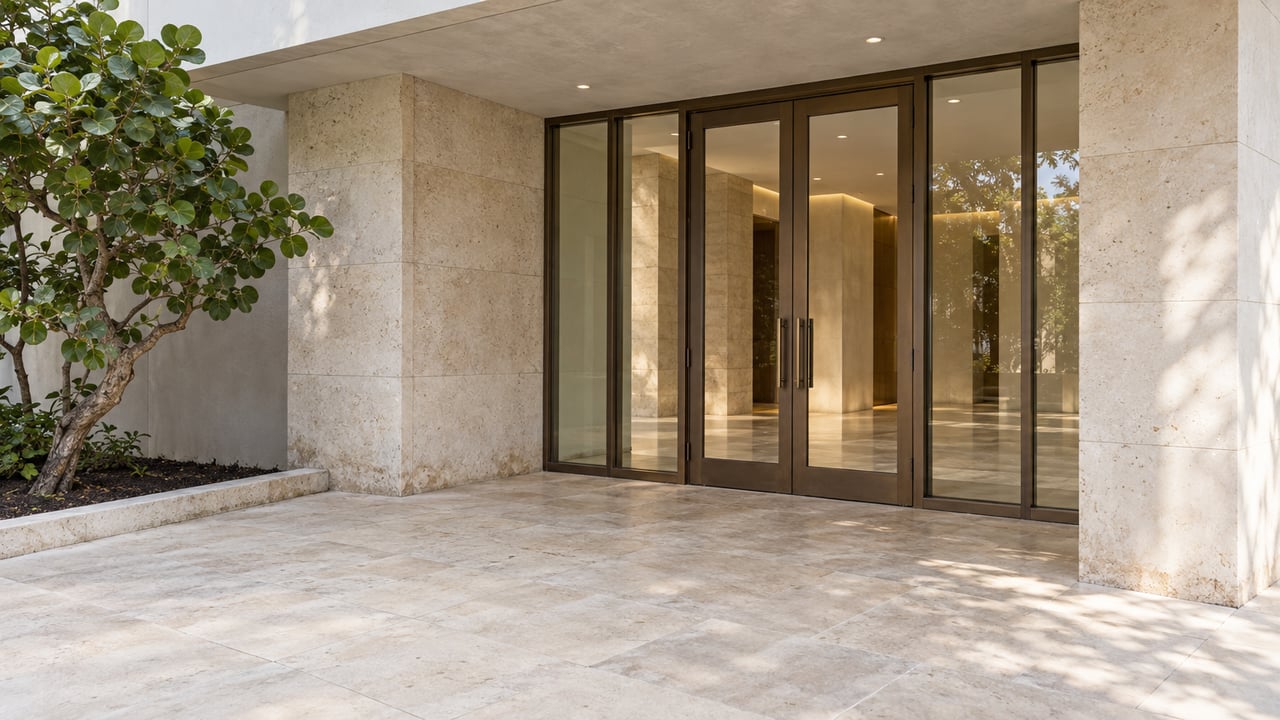
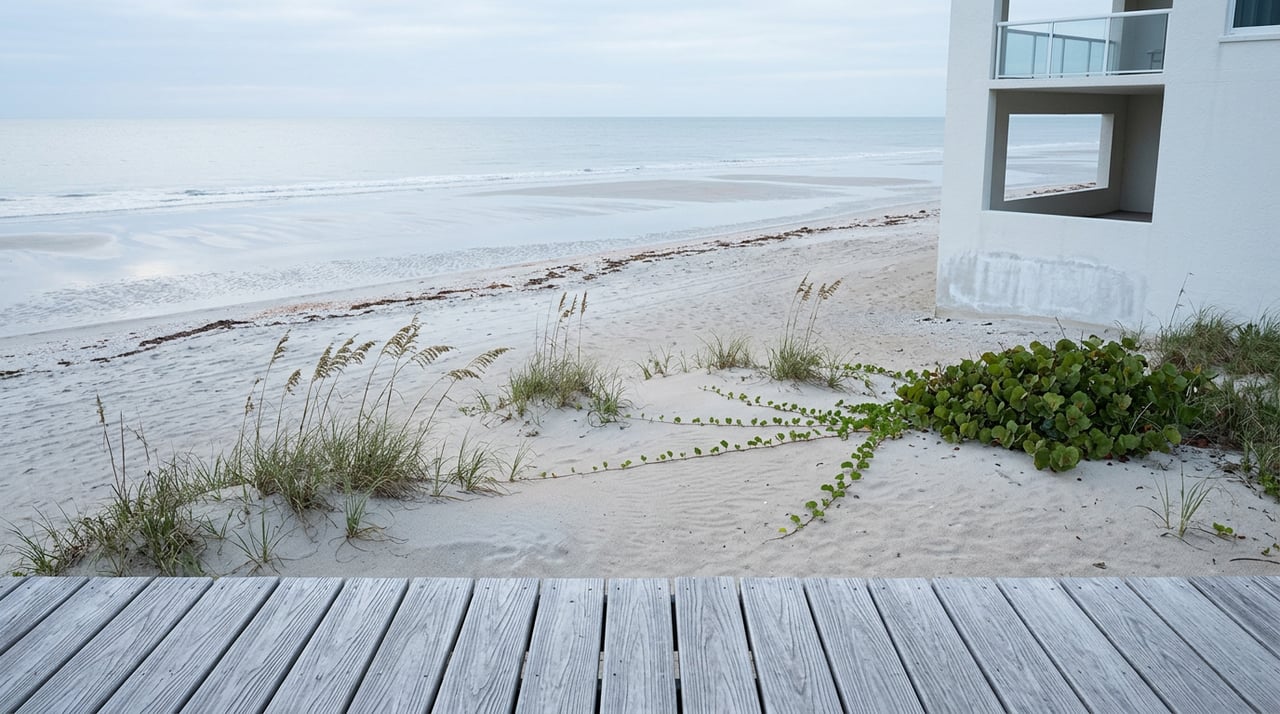
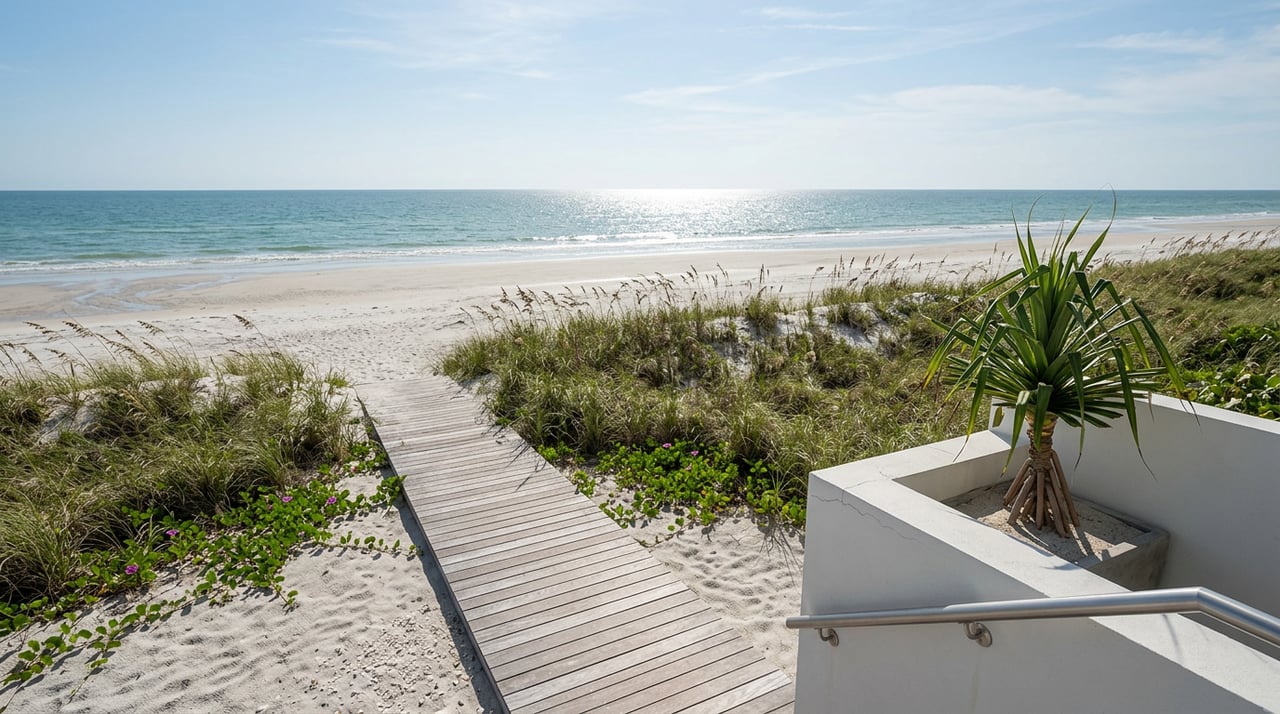
Ocean’s Edge is a boutique, oceanfront high‑rise at 5050 N Ocean Drive with full services like concierge, valet, private beach boardwalk, pool and spa, and fitness and media rooms. Resale residences commonly range from about 2,800 to 4,700+ interior square feet, and many offer two assigned garage spaces. Monthly association fees are in the thousands and vary by unit size, which is typical for full‑service luxury buildings. With limited inventory and large floor plans, Ocean’s Edge functions as a high‑ticket, low‑volume market where each listing stands out.
Because only a handful of homes trade each year, fresh comparables are powerful. Recent activity shows a top‑tier sale around $4,000,000 for a large, upper‑level line, and another notable closing near $3,250,000. Active and recent listings often cluster between roughly $2.5 million and $3.5 million, with price per square foot ranging widely based on floor, exposure, and finish level. Within the broader Singer Island market, the median sale price sits around $1.035 million with a median price per square foot near $618, which highlights Ocean’s Edge as an upper‑tier, luxury option. Pricing discipline is essential in a market that is not especially competitive.
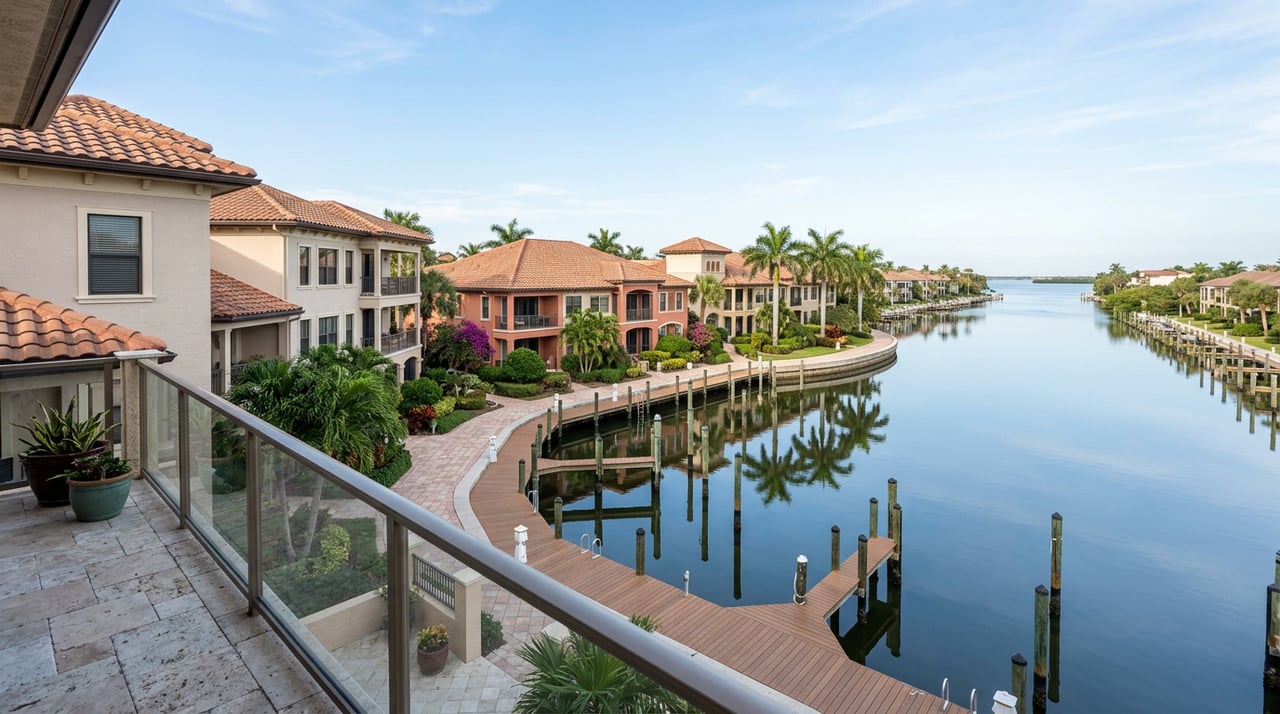
Direct, unobstructed ocean frontage and wrap‑around terraces command a premium. Panoramic ocean and Intracoastal views, plus generous outdoor living, often pull offers toward the top of the band. Lateral or partial views typically trade at a discount to direct ocean lines.
Higher floors usually earn more due to clearer sightlines and less street noise. In a small building like Ocean’s Edge, scarcity on premium floors can amplify this effect. Compare your line against the freshest in‑building comps to quantify your specific floor premium.
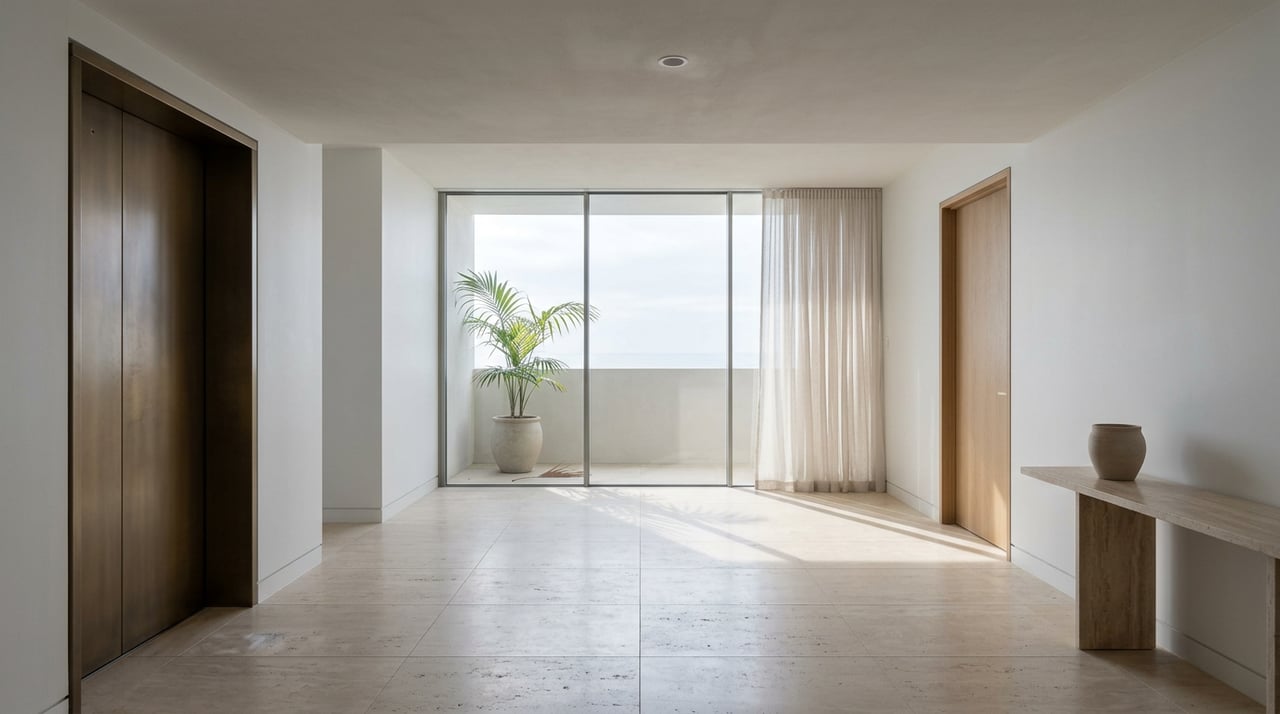
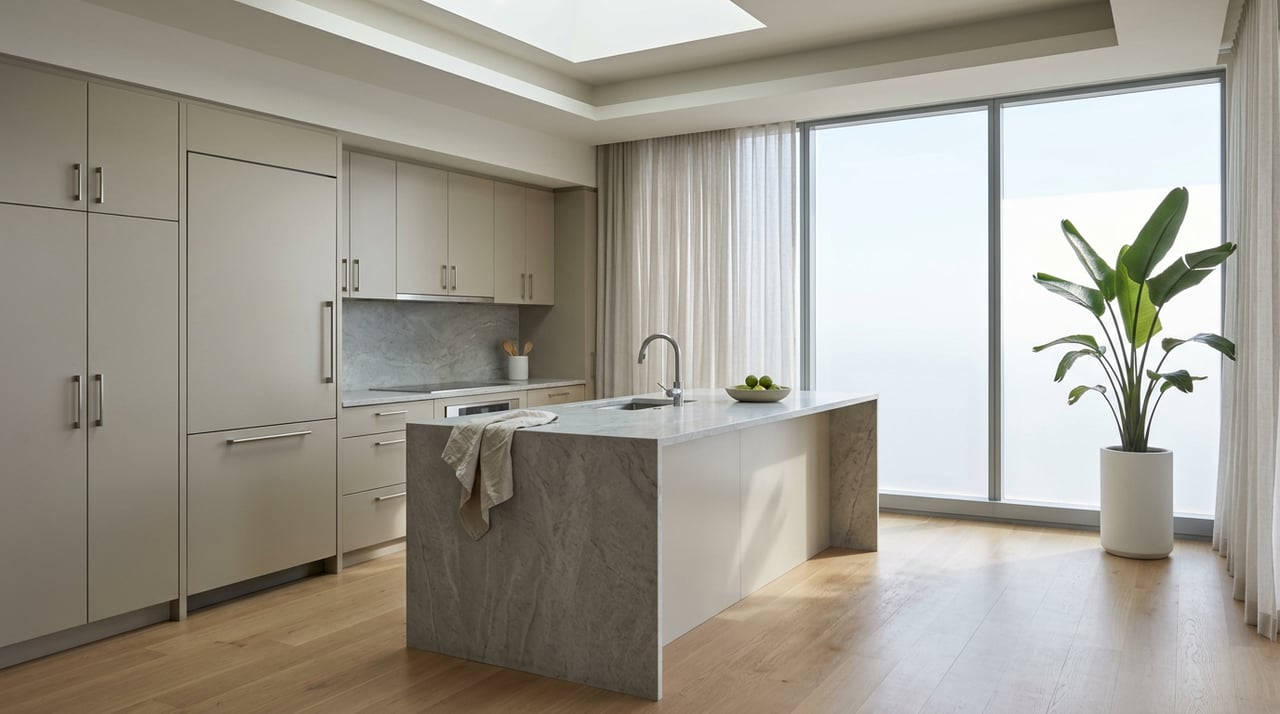
Buyers in this segment respond to updated kitchens and baths, luxury appliances, neutral design, and clean, contemporary staging. Strategic cosmetic refreshes often recoup a large share of cost while improving photography and showability. If you plan to sell furnished, clarity about what conveys can help capture snowbird and second‑home buyers who want easy move‑ins.
Start with the most recent closed sales inside Ocean’s Edge as your anchors, then cross‑check against similar direct‑ocean towers to frame your ceiling and floor. Adjust for unit size, orientation, terrace size, floor height, and finish level. Because pricing can swing 20 to 40 percent by line and condition, a precise, building‑specific approach beats broad neighborhood averages. A narrowly targeted price backed by current comps signals confidence and reduces low‑effort bargain hunting.
Use this focused list to get market‑ready without overspending:
If you can wait 60 to 120 or more days, go to market in late October or early November to be visible before Thanksgiving and through the January to March peak. That timing aligns with more in‑person visits, stronger lifestyle motivation, and a higher chance of all‑cash offers. Aim to be under contract before late spring if possible.
If you need speed or want to reduce carrying costs, list in summer or early fall with a competitive price. Expect a thinner buyer pool and a higher chance of finance contingencies. You can offset longer average market times by offering a tightly defined incentive, such as a limited closing‑cost credit or a staged‑furniture credit, to shorten negotiation.
Oceanfront condo deals often hinge on documents and deadlines, not just price. Keep the association resale packet, proof of paid dues, and insurance details at your fingertips. Confirm the association’s transfer approval timing and any blackout periods. Being fast and complete with paperwork reduces friction, builds buyer confidence, and helps you maintain leverage if issues arise during inspections.
If you want the strongest exposure and a clear, data‑backed plan tailored to your line and view, partner with a local specialist who does this every day. From pricing and pre‑list prep to curated marketing and negotiation, you deserve white‑glove support that protects your value and your time. Connect with Kathy Lewellen to request your Home Valuation and Market Consultation.
Get assistance in determining current property value, crafting a competitive offer, writing and negotiating a contract, and much more. Contact her today.