Leave a Message

Thank you for your message. We will be in touch with you shortly.

Florida Condo Insurance Basics for Singer Island Buyers

Buying an oceanfront condo on Singer Island should feel exciting, not confusing. Yet condo insurance can be a maze of terms, deductibles, and policy gaps that only show up when you need coverage most. If you understand how your HO-6 policy fits with the association’s master policy, you can protect your finishes, your belongings, and your budget with confidence.

In this guide, you’ll learn how HO-6 condo insurance typically works in Florida, what to look for in your association’s policy, which coverages matter most for coastal buildings, and how luxury finishes change your limits. You will also get a checklist of documents and questions to bring to your insurer before you bind coverage. Let’s dive in.

Master policy vs. HO-6: who covers what

When you buy a Singer Island condo, two separate policies usually apply. The association carries a master policy for the building and common elements. You carry an HO-6 policy for the inside of your unit, your belongings, and certain assessments. The exact split depends on the condo declaration and the master policy declarations page.

Common master policy types

  • Bare walls or walls-in: The association insures the exterior shell and common areas. You insure interior finishes, appliances, fixtures, floor coverings, and your improvements. Most Florida condos follow a version of this model.
  • Single entity or all-in: The master policy may extend further into the unit, sometimes up to drywall or through certain finishes. Your HO-6 still covers personal property and may need limited improvements coverage.
  • Hybrid: Some declarations list specific components that the association insures and exclude others. You might see cabinets included but flooring excluded. Always verify in writing.

Why condo documents matter

Your condo declaration and the master policy declarations page are the map. They define what is a “unit,” what the association insures, and where your HO-6 takes over. Items like impact windows, interior plumbing and wiring, built-in appliances, and floor coverings can be assigned to either the association or the unit owner depending on the documents. Ask for and read both before you quote coverage.

Hurricane deductibles and loss assessments

Florida associations often carry percentage-based hurricane or named-storm deductibles. Instead of a flat dollar amount, the deductible is a percentage of the building’s insured value, which can be very large. If a covered loss triggers the deductible and the association passes it through, owners may face a special assessment. HO-6 loss assessment coverage exists to help pay your share, up to the policy’s limit and subject to policy terms. For background on Florida hurricane deductibles, review the Florida Department of Financial Services resources on consumer insurance guidance at the department’s website. You can start with the agency’s main hub for consumer resources at the Florida Department of Financial Services website.

What your HO-6 typically covers

An HO-6 policy is designed for unit owners. It often includes these core parts:

  • Building property or improvements and betterments: Pays to repair or replace interior finishes, fixtures, built-ins, and permanent improvements that the master policy does not cover. Aim for replacement cost if available.
  • Personal property: Covers furniture, clothing, electronics, and more. Ask for replacement cost rather than actual cash value if possible.
  • Loss of use or additional living expense: Pays for temporary housing and related costs if your unit is uninhabitable after a covered loss.
  • Personal liability and medical payments: Protects you if someone is injured in your unit and you are legally responsible.
  • Loss assessment: Helps pay your share of a covered special assessment from the association, such as an assessment tied to the master policy’s hurricane deductible.

For a plain-language primer on condo insurance basics, the Insurance Information Institute offers helpful consumer guides. Visit the Insurance Information Institute website to learn more.

Key endorsements for Singer Island condos

Coastal condos and premium interiors often need extra protection. Ask about:

  • Building alterations and betterments coverage: Confirms full replacement cost for upgraded finishes like custom cabinetry, stone countertops, and high-end flooring.
  • Higher loss assessment limits: Many default limits are low. Because hurricane deductibles can be large, consider meaningfully higher limits.
  • Ordinance or Law coverage: Pays the extra cost to meet current building codes during repairs. This can matter after major damage, especially in older buildings.
  • Water backup: Adds protection for backups from plumbing or building systems that are not covered under standard terms.
  • Mold and fungus: Often limited. Review sublimits and consider endorsements.
  • Sinkhole coverage: Florida insurers may offer this with specific definitions and testing requirements.
  • Replacement cost for contents: Ask to upgrade from actual cash value to replacement cost where available.

Flood and wind: coastal realities

Standard HO-6 policies do not cover flood from storm surge or rising water. Flood insurance is purchased separately through the National Flood Insurance Program or private flood carriers. Many associations carry a building-level flood policy, but that may not cover your interior improvements or personal property. To understand how flood coverage works for condos and unit owners, review NFIP consumer guidance at the FloodSmart website. You can also find federal resources at FEMA’s website.

Wind and hurricane deductibles can apply differently on the master policy and on your HO-6. Confirm whether the association’s policy has a named-storm or hurricane deductible and how it is calculated. Then ask your HO-6 carrier about your wind or hurricane deductible and how claims will be coordinated if both policies respond.

Ocean’s Edge example: luxury finishes, bigger limits

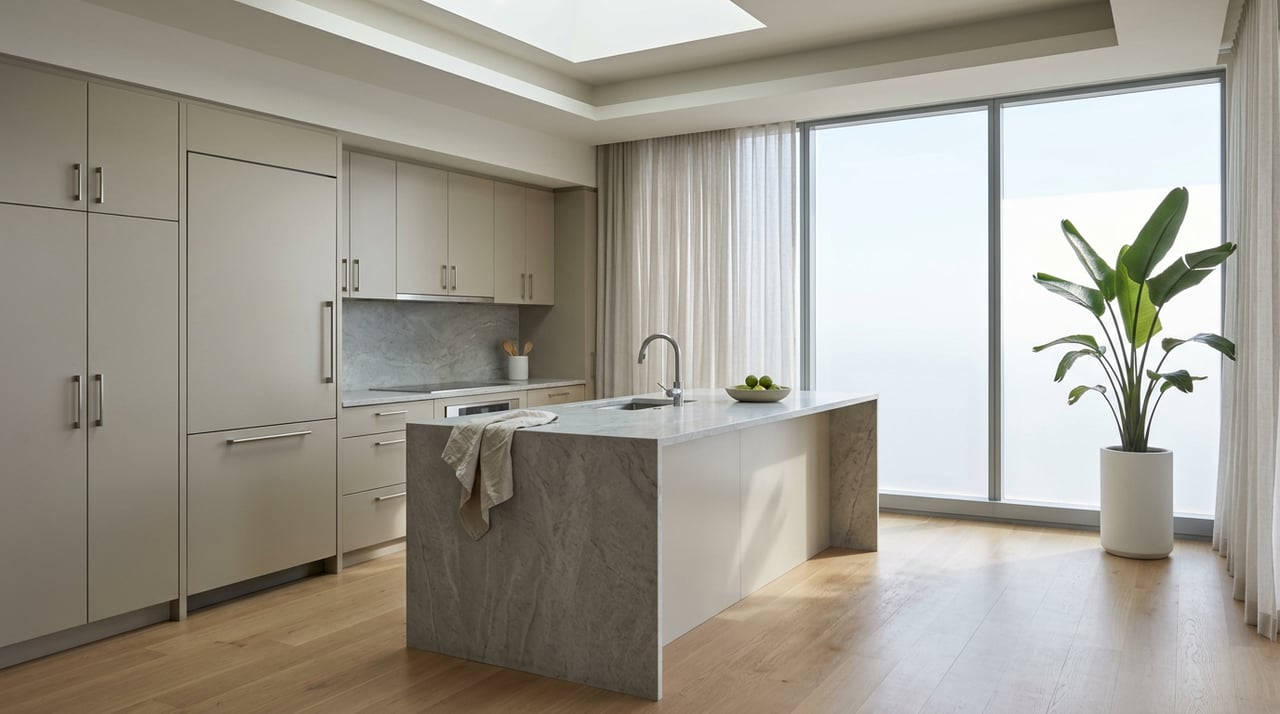
Premium beachfront buildings on Singer Island, such as Ocean’s Edge, often feature high-value interiors. Think custom millwork, built-in systems, and upgraded baths and kitchens. Those upgrades increase the replacement cost inside your unit, which means your HO-6 building property and personal property limits likely need to be higher than a standard unit.

Consider loss assessment exposure too. Here is an illustrative scenario to show the math. If a building is insured for 20 million dollars and the hurricane deductible is 2 percent, the deductible is 400,000 dollars. If the association assesses that across 100 units, a single owner’s share could be about 4,000 dollars, and shares can be higher depending on how assessments are allocated. A small default loss assessment limit might not be enough in that situation.

Older luxury buildings may also require costly code upgrades after a major loss. That is where Ordinance or Law coverage helps. Round out your plan with water backup coverage if building plumbing or underground utilities present a risk, and confirm flood exposure. If the association’s flood insurance does not cover your unit’s interiors and contents, buy your own flood policy for improvements and personal property.

Always confirm specifics directly with the Ocean’s Edge association or any building you are considering. Your documents drive your coverage.

What to request before you bind coverage

Gather these items from the seller and the association so your insurer can quote your policy correctly:

  • Condominium declaration and bylaws, especially the definition of the unit.
  • Master insurance policy declarations page and summary of coverage. Do not rely on a certificate alone.
  • Association budget and any reserve study, plus minutes that show recent claims or pending special assessments.
  • Insurance certificate plus the full declarations page that lists limits, deductibles, valuation, and perils.
  • Recent claims history and any litigation disclosures.
  • Amendments or riders that affect insurance, such as deductible pass-through language.
  • FEMA flood zone determination and details on any association flood policy.

Questions for the association or management

  • What type of master policy is in place, and exactly what parts of the unit are insured by the association?
  • What are the deductibles for hurricane, named storm, and other perils? Are hurricane deductibles percentage based? What percentage?
  • Does the association’s policy cover owner-installed improvements and to what limit?
  • Does the association carry flood insurance? What does it cover and what is the deductible?
  • Have there been special assessments in the past 5 to 10 years? Any planned assessments?
  • Any recent large claims or ongoing insurance-related litigation?
  • Are reserves adequate for major repairs like roofs, elevators, or seawalls?
  • Are there known code upgrade requirements that could increase rebuilding costs?

Questions for your HO-6 insurer

  • Will the policy cover loss assessments tied to the association’s deductible? What limits are available?
  • How will deductibles be applied if both the master policy and the HO-6 respond to a loss?
  • Can you add Ordinance or Law, water backup, sinkhole, and mold endorsements? What are the sublimits?
  • What is the wind or hurricane deductible on the HO-6, and does it apply to named storms?
  • For high-value improvements, will the carrier provide replacement cost and what documentation is needed?
  • Is flood coverage available from this carrier, or should you use NFIP or a private flood market? The NFIP’s consumer site at the FloodSmart website is a good starting point.

For statewide insurance regulation and consumer protections, you can also consult the Florida Office of Insurance Regulation.

Cash vs. financed buyers: what changes

If you are financing, your lender will require proof of insurance and a mortgagee clause on your HO-6. The lender’s minimums are only a baseline. Set limits that reflect the true replacement cost of your interiors and your personal property. If the building is in a special flood hazard area, the lender will also require flood insurance.

If you are paying cash, you still face the same risks and any association rules that require owners to maintain insurance. Loss assessment exposure can affect cash buyers just as much as financed buyers. Do not skip building property coverage for your improvements and do not rely on the association’s policy to protect your interiors.

A quick checklist for your insurance quote

Bring these to your insurance agent before you bind a policy:

  • Master policy declarations page.
  • Condo declaration, especially the unit definition.
  • Itemized list of improvements with age and replacement cost estimates, plus receipts if available.
  • Photos of interiors and any known pre-existing damage.
  • Lender name and contact if you are financing.
  • Flood zone determination or elevation certificate if available.

Work with a local pro

Insurance is a key part of a smooth Singer Island condo purchase. When you align the master policy with the right HO-6 and flood coverage, you reduce surprises and protect your investment. If you want help coordinating documents, introductions to reputable local insurance contacts, or building-level insight before you write an offer, reach out to Kathy Lewellen. Kathy pairs deep building knowledge with white-glove service so you can buy with clarity and confidence.
FAQs

What is the difference between a condo master policy and an HO-6 policy?

  • The master policy insures the building and common elements, while your HO-6 covers your unit’s interiors, your belongings, personal liability, and certain assessments based on what the declaration assigns to owners.

How do Florida hurricane deductibles affect me as a unit owner?

  • Many associations use percentage-based hurricane deductibles, which can be large; if assessed to owners after a covered loss, your HO-6 loss assessment coverage may help pay your share up to the policy limit.

Do I still need flood insurance if my association has a flood policy?

  • Often yes, because the association’s flood policy usually covers the building, not your interior improvements or personal property; consider a separate flood policy for your unit.

What HO-6 limits should I increase for a luxury condo?

  • Increase building property limits for high-end finishes and consider higher loss assessment and Ordinance or Law coverage, plus water backup where the building configuration suggests risk.

What documents should I collect before getting an HO-6 quote?

  • Gather the condo declaration, the master policy declarations page, any flood zone info, a list of your unit’s improvements with replacement costs, photos, and lender details if you are financing.

Will an HO-6 cover hurricane damage inside my unit?

  • It can cover interior damage that is your responsibility under the documents, subject to your policy’s covered perils and deductibles, while the master policy handles building elements it insures.

Work With Kathy

Get assistance in determining current property value, crafting a competitive offer, writing and negotiating a contract, and much more. Contact her today.