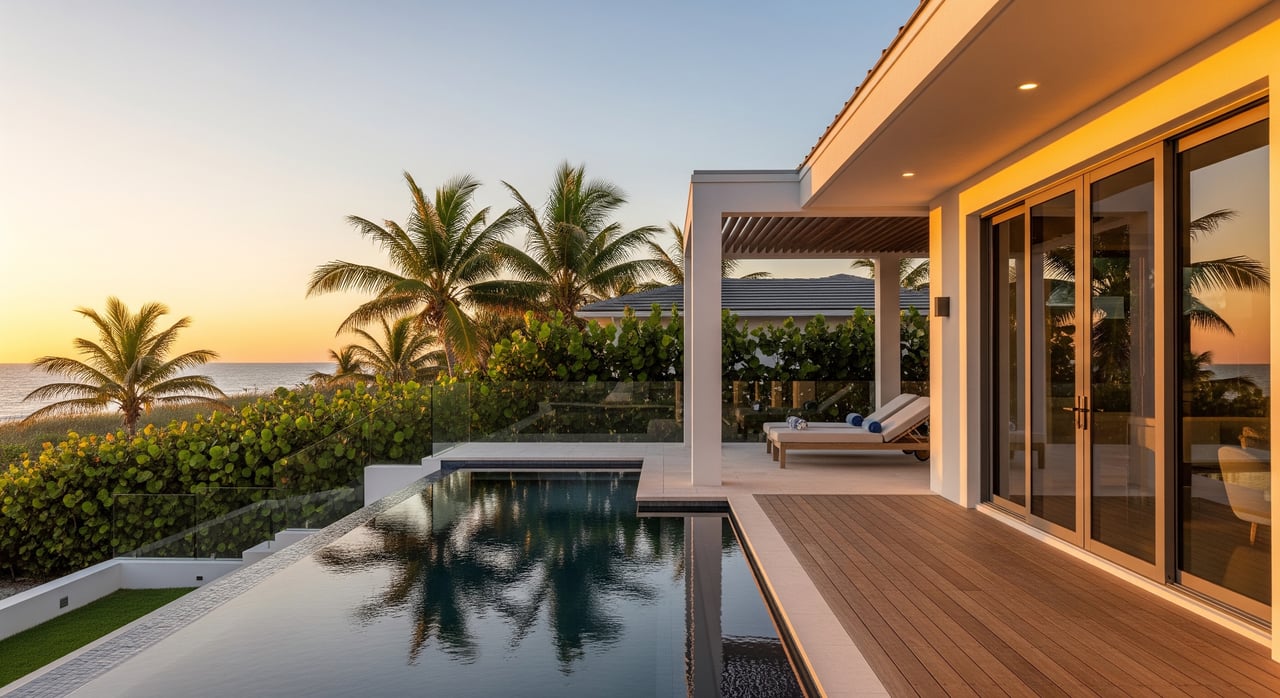
Is Oasis Singer Island Right For Privacy-Focused Buyers
You want oceanfront living without the crowds, the elevator chatter, or constant foot traffic. If privacy, space, and a quieter experience top your list, you may be wondering whether the Oasis Twin Towers on Singer Island delivers. You are not alone. Many second‑home buyers and downsizers look to Singer Island for exactly that balance of beach access and breathing room. In this guide, you will learn what to verify at Oasis, how it compares with larger resort‑style buildings, and the due diligence steps that protect your investment. Let’s dive in.
Singer Island sits within Riviera Beach in Palm Beach County. The island is bordered by the Atlantic Ocean on the east and the Intracoastal Waterway on the west, which means you get both sunrise and sunset water access in a compact coastal setting. Many buyers are drawn to direct beach access, boating and water activities, and a relaxed lifestyle close to West Palm Beach and Palm Beach amenities.
You will also find that oceanfront condo living here skews toward second‑home buyers, retirees, and investors who value convenience. Compared with city cores, Singer Island is typically quieter and more residential. For you, that can translate to less transient activity and a simpler daily routine.
Oasis is known locally as a boutique, twin‑tower oceanfront property. Because luxury buildings can evolve with new rules, capital projects, and staffing changes, it is important to verify current details directly with the association or property manager before you decide.
For a privacy‑focused purchase, confirm these specifics in writing:
Privacy often relates to how amenities are programmed and staffed. Verify the exact offerings, access rules, and whether any facilities are operated by third parties:
Association policies shape day‑to‑day privacy and long‑term value. Request the latest documents and confirm:
Coastal towers face unique risk and regulatory requirements. Protect yourself by confirming:
Singer Island offers two broad experiences: smaller privacy‑oriented buildings like Oasis and larger resort‑style communities. Understanding the tradeoffs helps you match a building to your lifestyle.
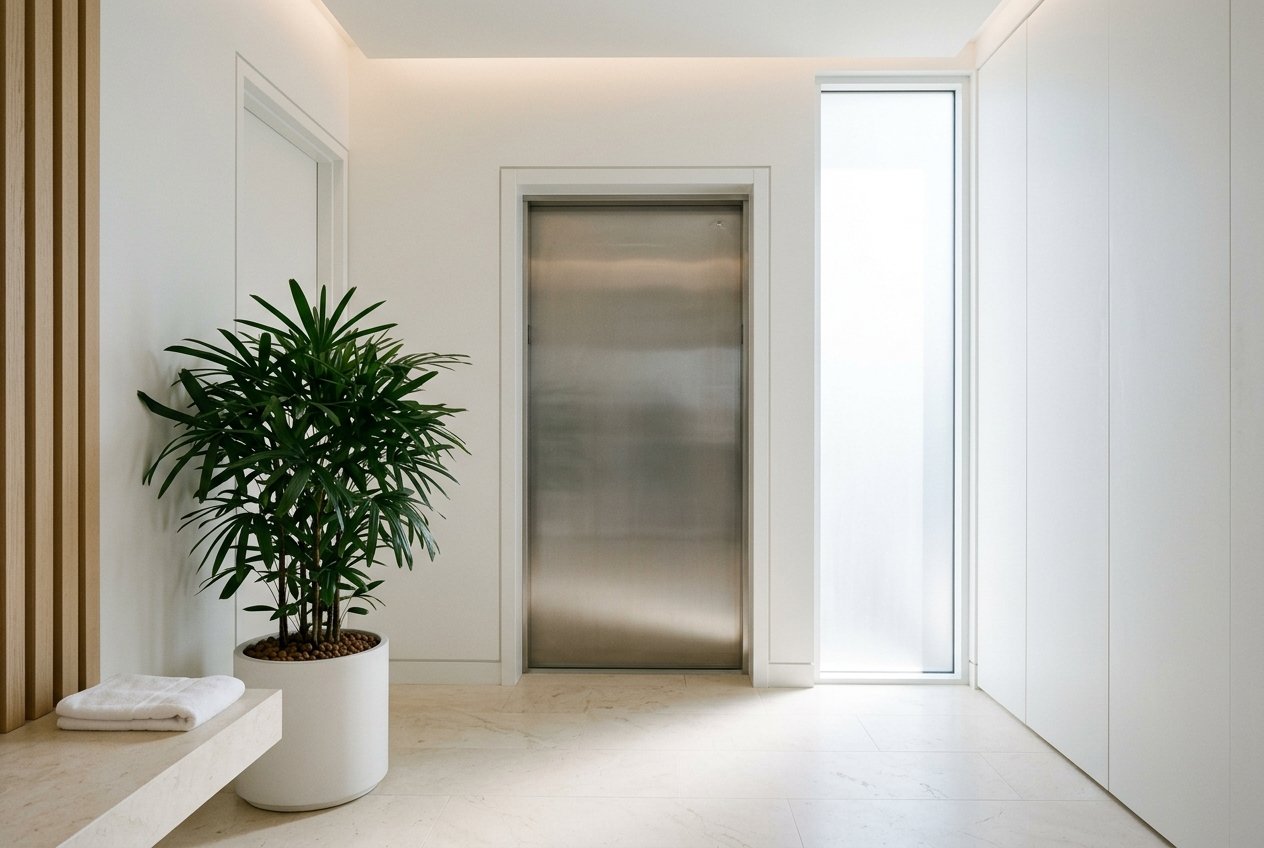
Privacy buildings typically have fewer units per floor, which reduces hallway traffic and elevator wait times. Private or semi‑private elevator lobbies can further limit encounters with neighbors and guests. Resort buildings often have more units per floor and higher visitor traffic due to broader amenity sets and rental activity.
Full‑floor or larger layouts deliver single‑family‑style space, generous storage, and fewer shared walls. This can be ideal if you are downsizing from a house but want room to host. Resort buildings may offer a range of sizes, yet larger floor plans are less common and can sit alongside many smaller units.
Privacy properties usually curate a focused list of premium amenities with lower foot traffic, which supports a quieter experience. Resort buildings tend to provide more venues and programming, which can be great if you want a social scene and on‑site services. The flip side is more activity that may affect privacy.
Smaller luxury buildings can have comparable or higher fees per square foot because fixed costs are shared by fewer owners. Resort complexes spread costs across more units, although extensive amenities and staffing can still result in robust monthly dues. Always compare budgets, reserve levels, and recent special assessments side by side.
Strict rental policies can support a more stable owner environment and reduce transient occupancy. Flexible rental policies may boost income potential, but can increase traffic and noise. Clarify your goals and choose the policy profile that fits.
Highly private, full‑floor units tend to draw a narrower but financially qualified buyer pool. This can preserve value among the right segment, though liquidity may be slower than for more common unit types. Resort buildings often attract a broader audience, including investors, which can aid liquidity but may not command the same privacy premium.
A disciplined process helps you confirm whether Oasis aligns with your goals and risk tolerance.
Request the Declaration, Bylaws, Rules and Regulations, most recent budget, reserve study, and recent meeting minutes. Ask for the association’s legal name and management contact for direct follow‑up.
Obtain official floor plans and confirm whether square footage is air‑conditioned living area or total under‑roof. Ask which unit numbers have private or semi‑private elevator foyers and how many units share your floor.
Study monthly dues, what they include, and the last two years of operating budgets. Confirm the current reserve balance and whether the most recent reserve study shows any large unfunded projects.
Request the last structural inspection report and any county or state recertification status updates. Ask about recent work on roofs, cladding, balconies, waterproofing, and elevator replacements.
Obtain the master policy summary, including wind and flood coverage, limits, and deductibles. Get independent quotes for your unit’s interior coverage and understand how building deductibles may be allocated after a claim.
Identify the property’s FEMA flood zone and base flood elevation, and request the Building Elevation Certificate if available. This can influence insurance premiums and lending terms.
Use the MLS to review sales from the last 12 to 24 months for Oasis and comparable oceanfront buildings. Focus on price per square foot, days on market, and concessions to gauge liquidity for larger units.
Visit at different times and days. Note elevator traffic, noise near amenities, beach usage, and any nearby sources of sound such as marinas or roadways.
Confirm parking allocations, guest parking, move‑in procedures, and elevator reservations. If you have mobility needs, ask about handicap access and elevator redundancy.
Keep your eyes open for objective signals that may affect privacy, cost, or risk:
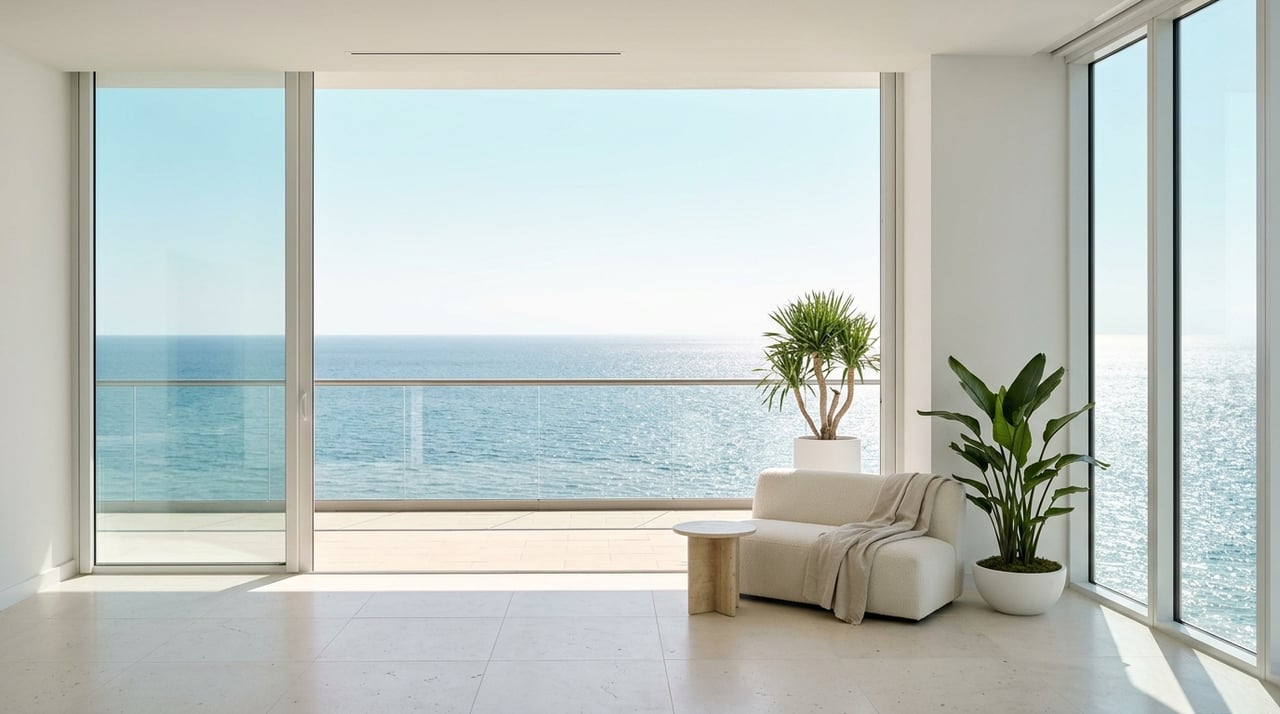
If your priority is a quieter, spacious, oceanfront lifestyle, a boutique twin‑tower property like Oasis can be a fit. The key is verifying full‑floor options, elevator privacy, amenity programming, and association strength before you commit. With coastal Florida’s evolving insurance and inspection environment, careful document review and quotes are essential.
You do not have to do this alone. A local specialist can request the right documents, interpret reserve studies, coordinate insurance quotes, and provide MLS comps tailored to your goals. If you are weighing Oasis against larger resort‑style buildings, a side‑by‑side comparison of privacy metrics, fees, rental rules, and recent sales will make the choice clear.
Ready to explore Oasis and its best alternatives on Singer Island? Connect with Kathy Lewellen for a private consultation and neighborhood‑level guidance. Request Your Home Valuation & Market Consultation.


Get assistance in determining current property value, crafting a competitive offer, writing and negotiating a contract, and much more. Contact her today.