Shopping for a condo in West Palm Beach or on Singer Island? One detail can change your loan options, interest rate, and timeline more than almost anything else: whether the building is warrantable. If you have great credit and a solid down payment, it is easy to assume financing will be simple, but condo project status is a separate gate. In this guide, you will learn what warrantable means, how lenders decide, what to expect in Florida’s coastal market, and the steps to take before you write an offer. Let’s dive in.
What warrantable means
A condo is considered warrantable when it meets the eligibility standards set by Fannie Mae or Freddie Mac. That status allows many lenders to offer conventional loans in the building. If the project fails those standards, loans are treated as non-warrantable for agency delivery, and many lenders will not offer a standard conforming loan in that building.
Why this matters is simple. Agency standards guide most lenders’ products and pricing. When a project is non-warrantable, you often face fewer lender choices, higher interest rates, larger down payments, and longer underwriting timelines. You can review the agencies’ rules in the Fannie Mae project eligibility guidance and the Freddie Mac Seller-Servicer Guide.
How lenders decide status
Lenders evaluate the building, not just you. They typically confirm:
- Project type and occupancy mix, including owner-occupied versus investor-owned units.
- Single-entity ownership concentration, especially if one owner controls many units.
- Construction status, conversion history, and whether developer units remain unsold.
- Association governance and key documents like declarations, bylaws, rules, and a current budget.
- Association finances, including reserves, operating funds, and assessment delinquency rates.
- Insurance coverage for hazard, wind, flood as needed, liability, and fidelity bonding.
- Litigation status that could indicate construction defects or structural issues.
- Physical condition, inspection history, required recertifications, and engineering reports.
- Restrictions that affect use, such as short-term rentals or high commercial space concentration.
Exact thresholds and tolerances live in agency guidelines and can change over time. Individual lenders may apply stricter overlays.
Florida factors to watch
Coastal Florida buildings face unique pressures that can shape eligibility and pricing:
- Insurance environment. Wind and hurricane exposure can drive high premiums and large deductibles. Lenders will look closely at the master policy, deductible amounts, and whether the association can cover them.
- Post-Surfside scrutiny. After the Champlain Towers collapse in 2021, lenders increased focus on structural safety, inspection reports, and recertifications. Older or taller buildings may require additional documentation.
- Florida Condominium Act. Chapter 718 governs condo formation, governance, reserves, and financial reporting. Reviewing this framework helps you understand how boards operate and disclose information. You can reference Florida Statutes Chapter 718.
- Local coastal realities. Near-shore properties can face sea-air corrosion and seawall or shoreline responsibilities that increase reserve needs or lead to special assessments.
- Oversight and resources. For statewide updates on association regulation and licensing, see the Florida DBPR.
Condo questionnaire and documents
Your lender will ask the association to complete a condo questionnaire and provide an association packet. Start this early, ideally when your offer is accepted, or even with the offer if the seller agrees. The review can take 1 to 4 weeks, and longer if clarifications are needed.
Typical items include:
- Current year budget and most recent financial statements.
- Reserve study or documentation of reserve funding.
- Certificate of insurance and policy details for hazard, wind, flood, liability, and fidelity.
- Declaration, bylaws, rules, and recent board meeting minutes.
- List of pending litigation, claims, or judgments.
- Assessment delinquency report and any special assessments.
- Completed condo questionnaire confirming occupancy mix, single-entity ownership, commercial use, and restrictions.
Red flags include large or repeated special assessments, low reserves, high delinquency rates, ongoing material litigation, recent major insurance claims, high commercial space percentages, and developer control.
Non-warrantable financing options
If a building is non-warrantable for agency delivery, you still have paths forward, but tradeoffs apply.
- FHA and VA loans. FHA and VA have separate project approval processes. Some buildings are approved, and case-by-case spot approvals may be possible. Learn more from HUD’s FHA condo approval resources and the VA home loan program. Approval timelines and standards are different from agency rules.
- Portfolio and non-QM lenders. Local banks and portfolio or non-QM lenders may finance non-warrantable projects. Expect higher rates on average, larger minimum down payments, and tighter credit overlays. Terms vary widely by lender.
- Jumbo vs. conforming. Luxury condos often need jumbo financing above conforming loan limits. Jumbo programs have their own underwriting standards that may overlap with project considerations.
Common tradeoffs to plan for:
- Interest rate differential compared with warrantable loans.
- Larger down payment, often 20 percent or more with portfolio lenders.
- Longer or less predictable closing timelines.
- Potential resale considerations if future buyers face limited financing options.
Steps to take before you offer
Getting ahead of the condo review saves time and stress in West Palm Beach’s luxury market.
- Step 1 - Pre-offer: Ask for the association resale packet. Confirm whether the building appears on FHA or VA rosters or has known lender issues.
- Step 2 - Lender pre-approval: Tell your lender the exact building name and address. Ask if they can lend there and, if not, which lenders or products will work.
- Step 3 - Questionnaire: Request the association or property manager complete your lender’s questionnaire promptly.
- Step 4 - Lender review: Allow 1 to 4 weeks for condo review, and longer if approvals or additional documents are needed.
- Step 5 - Contingencies: Build enough time into financing and inspection contingencies, especially in coastal high-rises.
- Step 6 - Closing prep: If using a portfolio or non-QM loan, confirm appraisal needs and closing conditions early.
Ocean’s Edge as a case study mindset
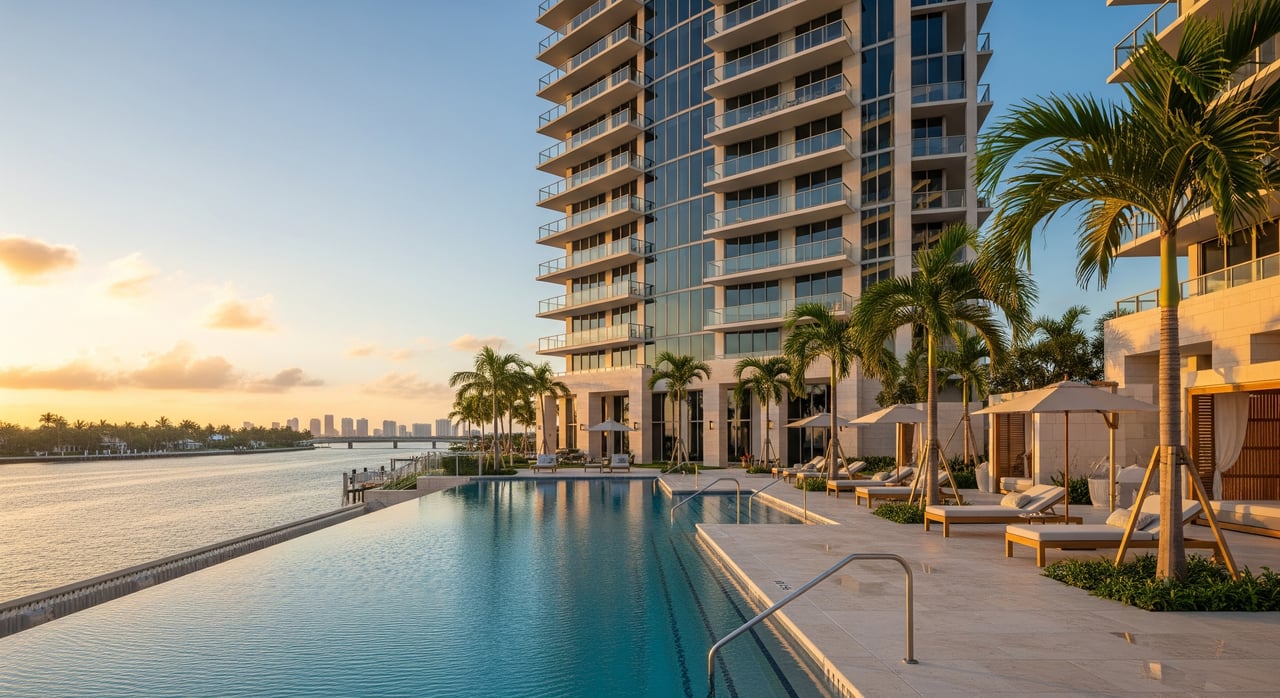
Ocean’s Edge on Singer Island is a good example of the building-level due diligence you should apply to any luxury coastal tower. The goal is not to label a building, but to assemble the right documents and answers so your lender can decide quickly.
Confirm or request right away:
- Current budget, year-to-date financials, and the latest reserve study with funding status.
- Certificate of insurance, wind and flood details, and deductible amounts.
- Records of special assessments and any recent history of large assessments.
- Board meeting minutes for the last 12 months, declarations, and bylaws.
- Owner-occupancy versus investor mix and any single-entity ownership concentrations.
- Assessment delinquency percentage and any payment plans in place.
- Written disclosure of pending litigation, major insurance claims, or structural defect actions.
- Engineering or structural inspection reports and any recertification notices.
Ask your lender in advance:
- Will they originate your desired loan product in this specific building? If not, which lender will?
- If non-warrantable, what portfolio or non-QM options are available, and what down payment and rate range should you plan for?
- Do you need project or spot approval for FHA or VA, and how long will that take?
Negotiation and timeline tips
When condo eligibility is uncertain, protect your timeline and deposit with smart contract terms. Avoid very short financing contingencies if your lender still needs a questionnaire or a project review.
Request the full association packet as a condition of offer acceptance. Consider a backup lender path in case the first option declines the project. Align your inspection and financing dates so you can pivot quickly if new building information comes to light.
Work with a local specialist
In Palm Beach County’s coastal market, project status can make or break your plan. A local condo specialist helps you identify the right lenders, request the correct documents, and structure a contract that gives you time to complete the project review. You deserve clear guidance, clean timelines, and a smooth close.
If you are comparing buildings on Singer Island or anywhere in West Palm Beach, connect with Kathy Lewellen for building-level insight, document coordination, and concierge referrals to lenders, inspectors, and insurers. You will get a clear plan from pre-approval to keys in hand.
FAQs
What does warrantable mean for a West Palm Beach condo purchase?
- A warrantable condo meets Fannie Mae or Freddie Mac standards so you can use a conventional loan from many lenders, often with better pricing and faster timelines.
How do lenders decide if a Palm Beach County building is warrantable?
- Lenders review the association’s finances, reserves, insurance, occupancy mix, litigation, and inspections using a condo questionnaire and project documents.
Are FHA or VA loans an option for non-warrantable Florida condos?
- Sometimes. FHA and VA have separate project approvals and spot approvals, so you must verify the building’s status with those agencies before relying on that path.
Will a non-warrantable building limit my resale options later?
- It can. Non-warrantable status may reduce the pool of buyers who qualify for conventional loans, so plan for more limited financing options unless the status changes.
What should I request from a Singer Island condo association before I make an offer?
- Ask for the current budget and financials, reserve study, insurance summary, bylaws, recent minutes, delinquency report, any litigation disclosures, and the completed condo questionnaire.